Transform Your Yard With Cutting-edge Landscape Design Methods and ideas
Transforming a yard calls for thoughtful consideration of its special qualities. Effective landscape Design can improve both capability and visual appeal. By exploring different strategies, one can develop a space that not just mirrors individual design yet also supports regional biodiversity. As the journey unfolds, concerns concerning plant sustainability, selection, and design emerge, triggering a much deeper expedition right into how to make these ideas revive.
Examining Your Outdoor Space: Recognizing Your Garden's Possible
Assessing outside room is necessary for efficient landscape style. Comprehending the one-of-a-kind characteristics of a yard enables designers to optimize its capacity. Elements such as soil high quality, sunshine exposure, and existing structures play a vital duty in establishing what can be accomplished. Assessing the topography assists determine areas for growing, courses, or water functions, while noting drainage patterns guarantees that plants thrive without waterlogging.
Moreover, identifying the yard's microclimates can affect plant choice and positioning. Observing just how the space is made use of by citizens informs useful Design options, such as seating areas or play areas. Furthermore, considering the bordering atmosphere and neighboring landscapes can give ideas and context for Design choices. By completely checking out these elements, one can develop a natural and welcoming outdoor room that mirrors the owner's vision while integrating with nature. Eventually, a complete analysis prepares for an effective landscape Design job.
Choosing the Right Plant Kingdoms: A Guide to Shade, Texture, and Seasonal Passion
When selecting plants for a landscape layout, comprehending the interplay of shade, structure, and seasonal rate of interest is essential for creating a vibrant and lively yard. Color can evoke feelings and established the tone for the space; as a result, selecting an unified scheme enhances visual allure. Warm tones like oranges and reds produce power, while cooler hues like blues and environment-friendlies offer harmony.
Texture adds deepness and measurement, enabling a mix of foliage sizes and shapes. Incorporating fine-textured plants with bold-leaved selections develops comparison and intrigue.
Seasonal passion is necessary for maintaining year-round beauty. Selecting a variety of plants that bloom in different periods guarantees that the yard continues to be lively, moving from spring's vibrant flowers to fall's abundant vegetation. By attentively thinking about these components, one can curate a landscape that is not just aesthetically pleasing yet interesting and also diverse throughout the year.
Producing Practical Zones: Creating Spaces for Leisure and Amusement
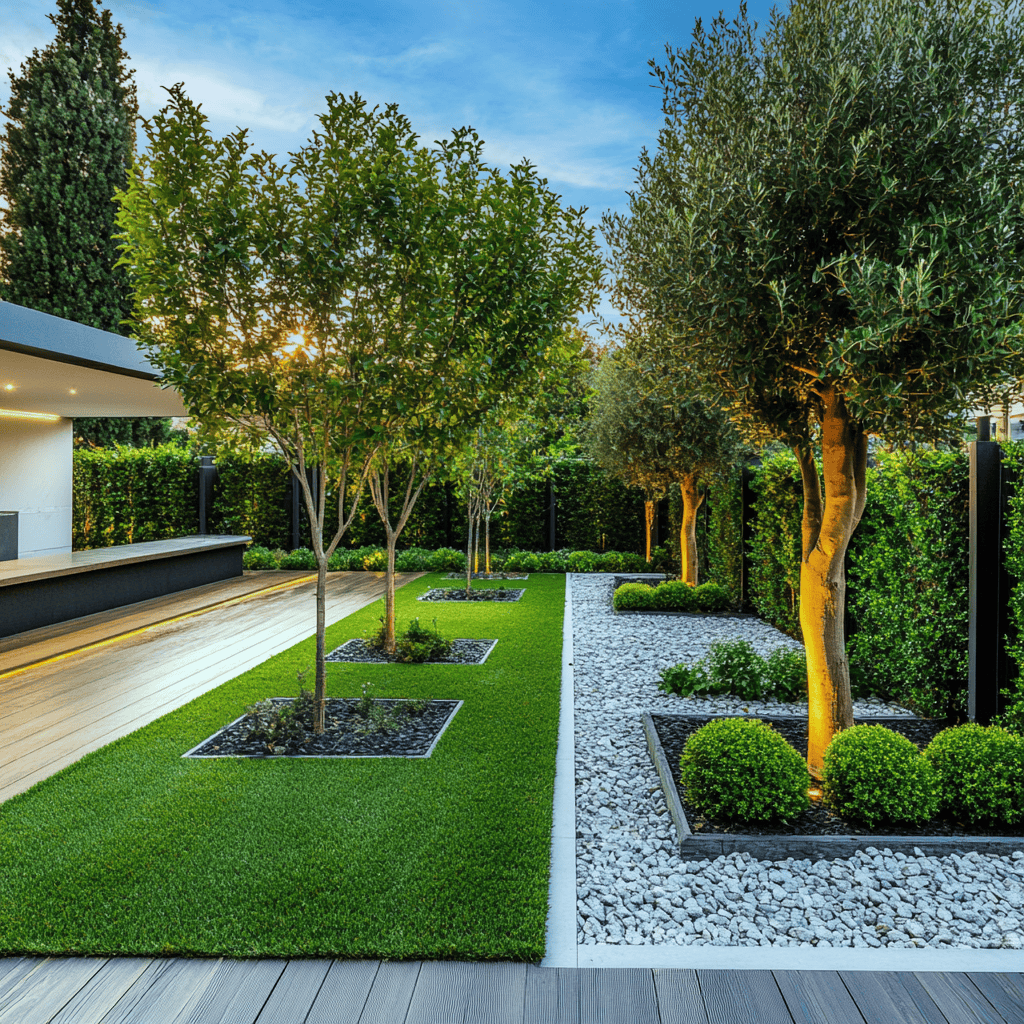
Developing practical areas in a landscape Design improves the use of outdoor spaces, permitting house owners to seamlessly blend leisure and amusement. By attentively separating locations right into distinctive areas, people can accommodate numerous tasks, from peaceful hideaways to vibrant celebrations. A properly designed room might incorporate a comfortable reading nook nestled among rich plant, providing a peaceful getaway (Landscaper). On the other hand, a dynamic outside eating area can work as the perfect setup for parties with family members and close friends
Purposefully put paths can assist guests between these areas, making sure easy navigating. Furthermore, integrating elements like seating areas, fire pits, or water features can enhance the overall atmosphere and capability. The assimilation of varied textures and colors in each area can develop visual rate of interest while preserving a cohesive aesthetic. Eventually, developing useful areas enables house owners to optimize their exterior experience, changing their gardens right into functional spaces that fulfill varied lifestyle needs.
Including Hardscape Aspects: Patios, Walkways, and Focal Details
Incorporating hardscape components right into landscape Design complements useful areas by supplying structure and visual allure. Patios work as important exterior living rooms, permitting house owners to enjoy dishes and gatherings in a specified location while enhancing accessibility. The selection of products, such as natural stone or concrete, can considerably affect the overall visual, mixing effortlessly with the surrounding environment.
Sidewalks assist in movement via the garden, assisting visitors while including depth and passion. These paths can be crafted from numerous products, including crushed rock, pavers, or brick, each adding to the garden's character.
Focal points, such as attractive stones, sculptures, or water functions, attract the eye and produce a feeling of function within the landscape. Strategically positioned, these elements can transform a regular yard into an intriguing space, inviting exploration and interaction. Through thoughtful assimilation of hardscape, a landscape becomes not only functional however likewise aesthetically magnificent.
Enhancing Privacy and Protection: Natural Barriers and Structures
To boost personal privacy and security in landscape layout, using all-natural obstacles such as dense bushes can properly secure a home from unwanted views. Additionally, mounting personal privacy fences offers a strong framework that contributes to a feeling of security and privacy. Together, these elements develop a more intimate outside room while discouraging potential intrusions.
Growing Thick Hedges
While many home owners look for aesthetic appeal in their landscapes, planting dense hedges investigate this site offers a dual function of boosting personal privacy and safety and security. These all-natural obstacles produce an aesthetic guard, efficiently obstructing the sight from spying eyes and preventing possible intruders. Different varieties, such as boxwood, holly, or privet, can be selected for their development patterns and vegetation thickness, making certain rich insurance coverage throughout the year. In addition, well-kept hedges can add to a tranquil setting, taking in noise and giving an environment for wildlife. The critical placement of these bushes can define building boundaries and develop secluded outside spaces, allowing home owners to enjoy their yards with a sense of safety and security. Inevitably, dense bushes are a reliable option for blending elegance with capability.
Setting Up Personal Privacy Fences
Personal privacy fencings work as another efficient approach for boosting privacy and protection in domestic landscapes. These structures not only delineate residential or commercial property limits but also develop a sense of privacy, protecting home owners from spying eyes. Different materials, such as timber, steel, and vinyl, offer unique aesthetic appeals and degrees of resilience, enabling homeowners to pick based upon their Design preferences and maintenance demands.
Sustainable Landscaping: Eco-Friendly Practices for a Greener Garden
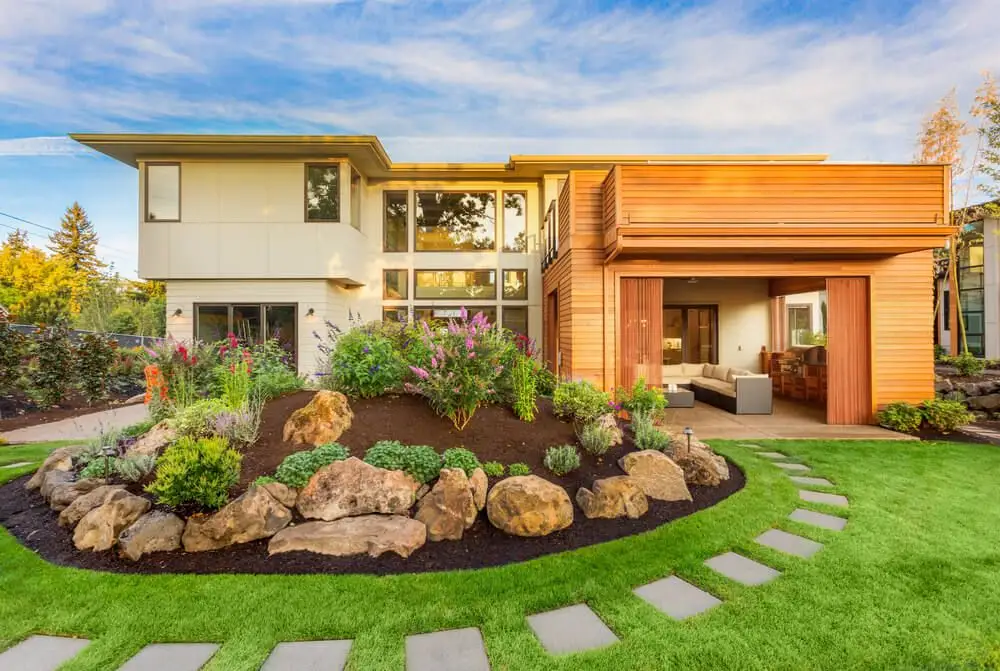
Sustainable landscape design stresses the importance of native plant choice and water preservation strategies. By choosing plants that are well-adapted to the regional environment, garden enthusiasts can decrease upkeep and resource usage. Implementing reliable watering techniques further improves the yard's ecological advantages, promoting a healthier environment.
Native Plant Choice
Native plant selection plays a necessary function in sustainable landscaping, advertising biodiversity and decreasing the demand for chemical inputs. By selecting plants native to a specific area, garden enthusiasts can produce habitats that support neighborhood wildlife, such as pollinators, birds, and beneficial bugs. These plants are adapted to the neighborhood climate and soil problems, needing much less water and upkeep contrasted to non-native varieties. Furthermore, indigenous plants can aid regulate disintegration and boost dirt health, fostering a well balanced environment. Integrating native types into landscape makes not just boosts the visual allure of Read Full Report the yard but likewise adds to ecological resilience. Eventually, native plant selection is an important method for those looking for to cultivate a lively and sustainable yard.
Water Preservation Techniques
Incorporating indigenous plants can greatly boost water conservation efforts in landscaping. These plants are well-adapted to local climates, requiring less water and upkeep than non-native selections. Carrying out drip irrigation systems permits targeted watering, minimizing dissipation and overflow. Rain gathering systems can additionally be set up, storing and collecting rainwater for garden usage. Mulching helps preserve soil dampness, decreasing the regularity of watering. Organizing plants with similar water requires with each other creates reliable watering areas, additionally saving water. Furthermore, utilizing permeable products for pathways permits rain to seep into the ground, restoring groundwater supplies. By utilizing these water preservation strategies, garden enthusiasts can develop sustainable landscapes that prosper while reducing ecological impact (Artificial Grass). Such practices add to a greener yard and a much healthier environment
Individualizing Your Design: Adding One-of-a-kind Functions and Individual Touches
Just how can one transform a yard into a personal sanctuary? Customizing a landscape Design entails integrating distinct functions that reflect individual tastes and way of livings. One strategy is to include customized yard art, such as sculptures or handcrafted birdhouses, which can function as centerpieces and discussion beginners. On top of that, customizing plant options based on personal preferences or seasonal blooms can produce a vivid and progressing space.
Developing useful locations, such as a comfy analysis nook or an outdoor dining space, can improve usability and comfort. Integrating components like a fire pit or a water function can present an inviting ambiance.
Shade products, appearances, and systems must line up with the homeowner's style, whether it be modern-day, rustic, or eclectic. Ultimately, the goal is to develop an area that resonates with the person's identification, making the yard not simply an aesthetic joy yet a true expansion of the home owner's personality.
Regularly Asked Inquiries
Exactly how Do I Budget plan for a Landscape Design Task?
To allocate a landscape Design task, one should evaluate project range, research expenses for products and labor, focus on attributes, and allot an additional 10-20% for unanticipated costs, making certain a realistic financial plan.
What Devices Are Necessary for Home Garden Landscaping?
Crucial devices for home garden landscaping include a shovel, rake, yard fork, trimming shears, wheelbarrow, hoe, and trowel. These tools help in soil preparation, planting, maintenance, and effective transport of materials throughout the landscaping job.
How Can I Preserve My Yard After Revamping?
To keep a revamped yard, routine watering, mulching, weeding, and trimming are essential (Landscaping Contractor). Tracking plant wellness, changing dirt nutrients, and seasonal plant care contribute to a flourishing environment that showcases the yard's browse this site new Design efficiently
When Is the most effective Time to Start Landscape Design?
Can I DIY My Landscape Design or Should I Employ a Professional?
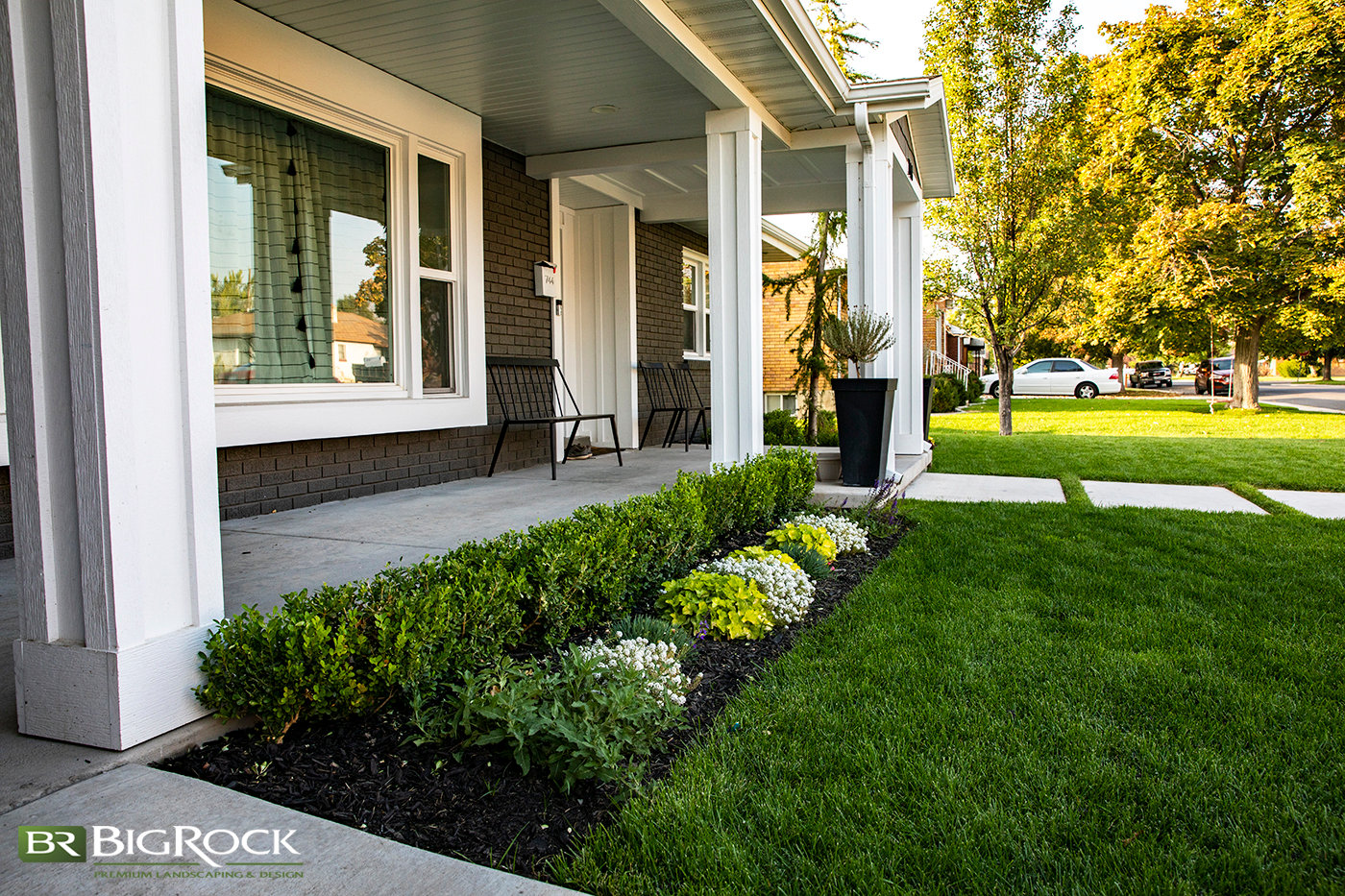
People can absolutely DIY their landscape Design if they possess imagination and fundamental skills; nevertheless, hiring a specialist usually ensures an extra professional and cohesive result, especially for intricate jobs or specific Design desires.
Identifying the garden's microclimates can influence plant selection and placement. When picking plants for a landscape style, comprehending the interplay of color, appearance, and seasonal interest is necessary for producing a dynamic and vivid garden. Picking a range of plants that grow in various periods warranties that the yard remains lively, moving from springtime's vibrant blossoms to fall's abundant vegetation. Incorporating indigenous species into landscape designs not only boosts the visual allure of the garden but additionally contributes to environmental strength. Crucial devices for home yard landscape design include a shovel, rake, garden fork, pruning shears, wheelbarrow, hoe, and trowel.